Social Media Character Limits: The Complete 2026 Cheat Sheet
Every platform cuts you off at a different length, and most don't warn you until your carefully written post gets truncated with an ugly "…". Here's the complete reference — bookmark it, or just paste your draft into the free Word Counter, which tracks the important limits live as you type.
The limits that matter
| Platform | Limit |
|---|---|
| X (Twitter) post | 280 characters (25,000 for Premium) |
| X display name | 50 characters |
| Instagram caption | 2,200 characters (truncates after ~125 in feed) |
| Instagram bio | 150 characters |
| LinkedIn post | 3,000 characters (truncates after ~210 in feed) |
| LinkedIn headline | 220 characters |
| Facebook post | 63,206 characters (truncates after ~477) |
| TikTok caption | 2,200 characters |
| YouTube title | 100 characters (~70 visible in search) |
| YouTube description | 5,000 characters |
| SMS | 160 characters (concatenated after that) |
| Google title tag | ~60 characters before truncation |
| Google meta description | ~160 characters before truncation |
The "visible before truncation" trap
The hard limit isn't the number that matters most — it's the fold. Instagram shows roughly the first 125 caption characters before "more"; LinkedIn about 210; Facebook about 477. Whatever your hook is, it has to land before that point or most people never see it.
Practical rule: write your first sentence as if it's the whole post. Front-load the payoff, not the wind-up.
Why "characters" isn't always what you think
- Spaces count on every platform above. "Characters excluding spaces" is a different number used mainly in translation billing and some academic submissions — a good counter shows both.
- URLs on X always count as 23 characters, no matter how long they are, thanks to the t.co wrapper.
- Emoji often count as 2+ characters because they're multi-byte — an emoji-heavy post hits limits faster than it looks.
- SMS drops to 70 characters per segment if your message contains any character outside the basic GSM alphabet (including some smart quotes and emoji) — that's why one emoji can turn one text into three.
Word counts, for the longer stuff
While we're at it, the targets people ask about most:
- Blog post for SEO: no magic number, but competitive queries are usually won by 1,000–2,500 word pieces that actually answer the question.
- Meta description: ~25 words (160 characters).
- 5-minute speech: ~650 words at a comfortable 130 words/minute speaking pace.
- 1-minute video script: ~130–150 words.
The Word Counter shows reading time (200 wpm) and speaking time (130 wpm) alongside the counts, so you can size a script or article without doing the math.
Count as you write, not after
The workflow that saves the most rewriting: draft directly in the Word Counter with the platform limits panel open. Every limit updates live, over-limit platforms turn red, and — because it runs entirely in your browser — your unpublished drafts never leave your device.
Related Articles
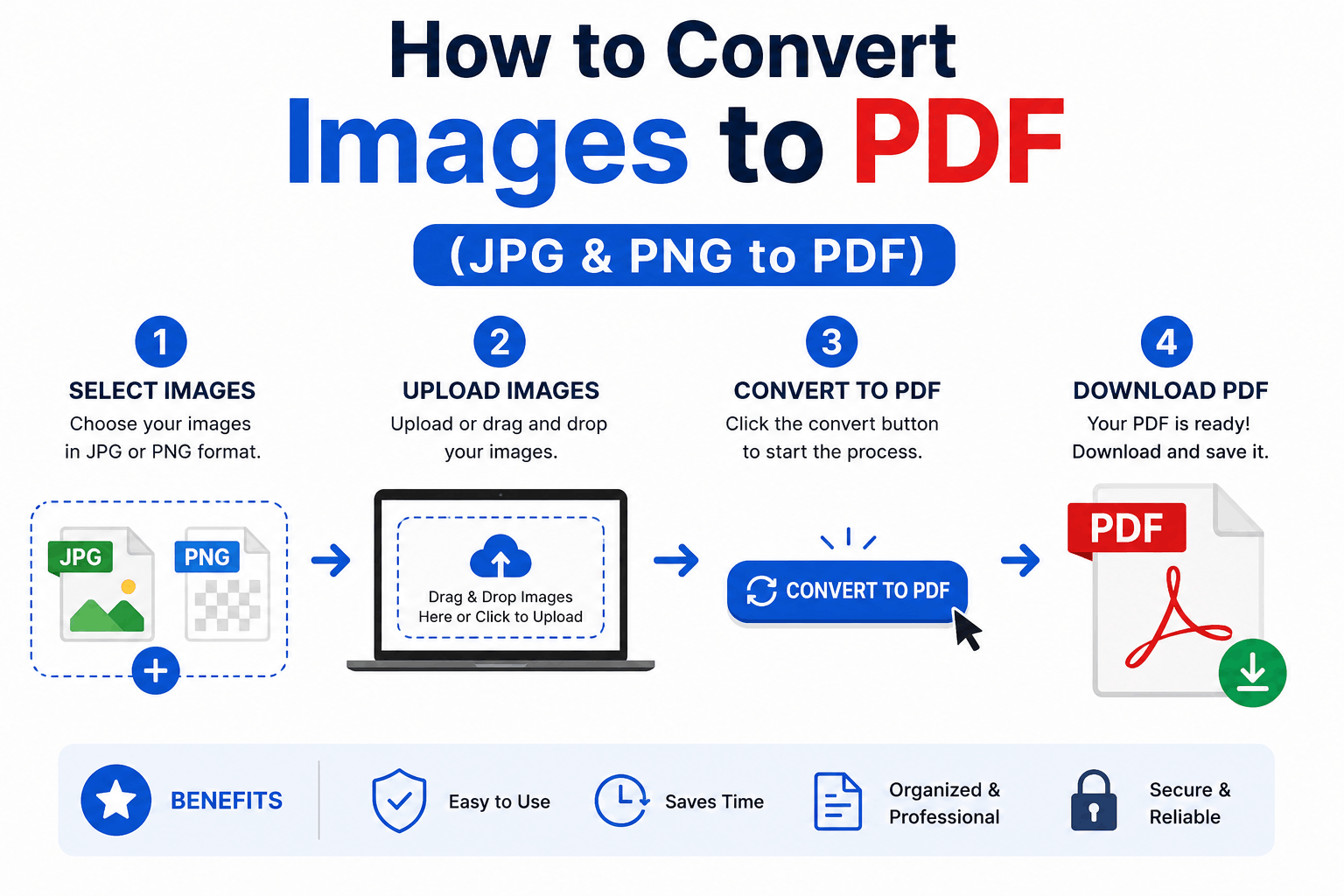
How to Convert Images to PDF (JPG & PNG to PDF)
Turn one or many JPG, PNG or WebP images into a single, tidy PDF — with the right page order, size and margins. Free and entirely in your browser.
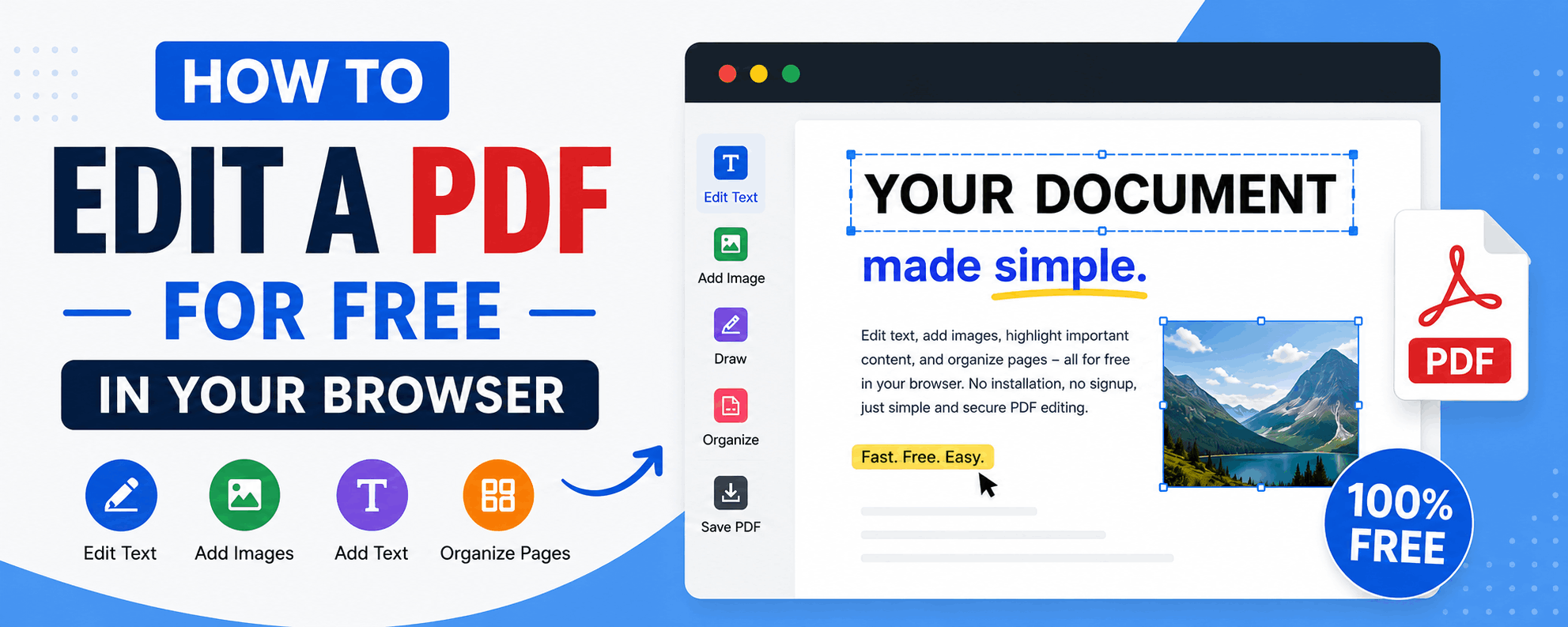
How to Edit a PDF for Free in Your Browser
Reorder, rotate and delete pages, add text and highlights, sign documents and fill forms — all for free in your browser, with no upload and no watermark.
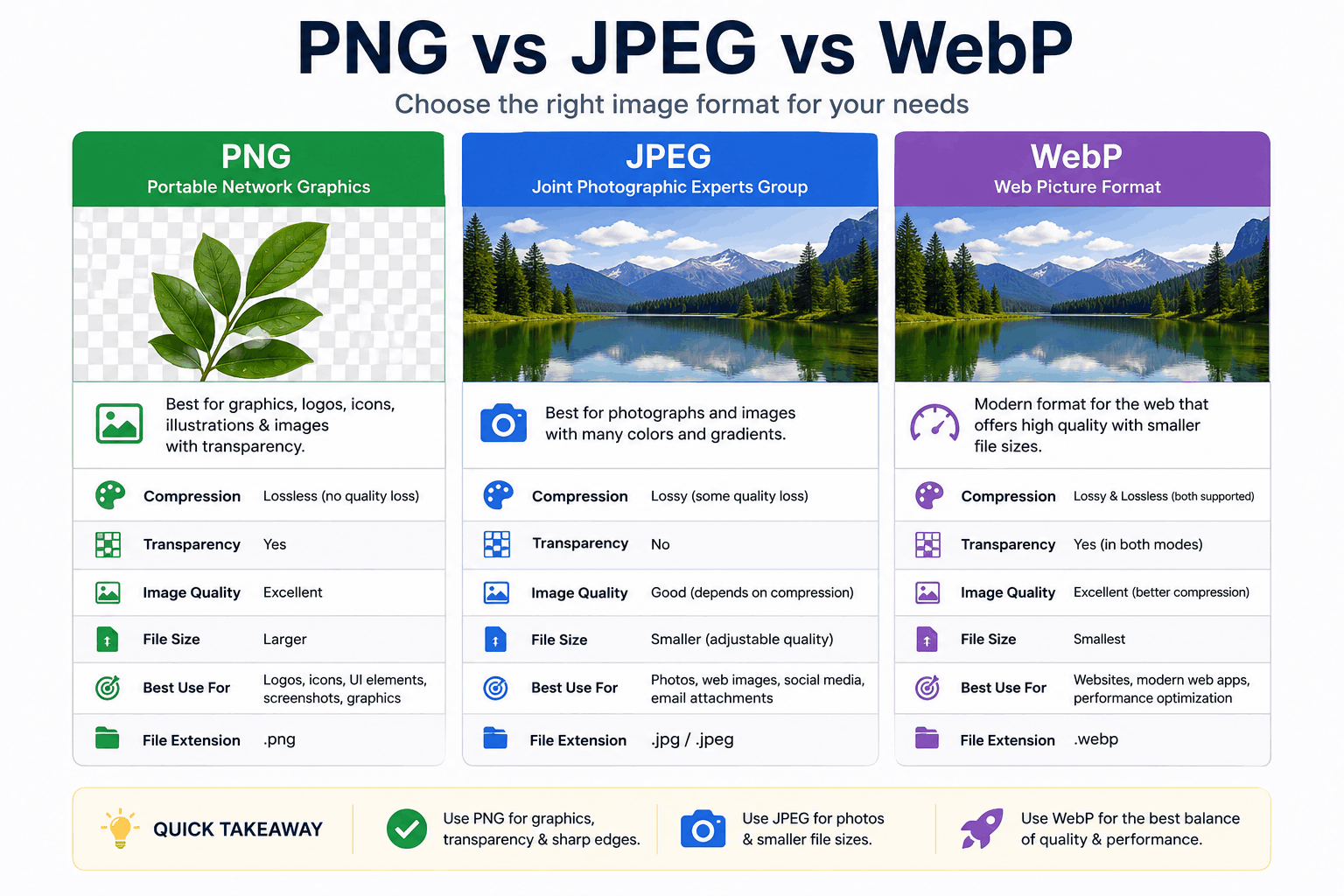
PNG vs JPEG vs WebP: Which Image Format Should You Use?
PNG, JPEG and WebP each win in different situations. Here's a clear, practical breakdown of when to use each — with real guidance on quality, transparency, and file size.